 EU
EU  PL
PL 
Dog Interactive Toys
(64)-
 €4.80In stock
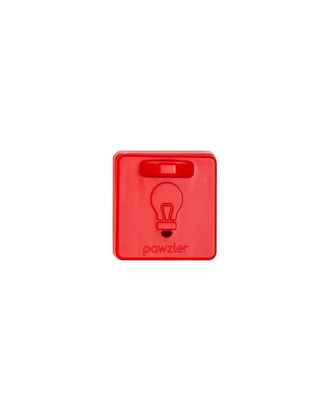
A single Pawzler puzzle module for dogs. This level 2 block contains 1 compartment for dog treats. It is an additional element that can be interchangeably mounted with other modules in Pawzler sets, or used to create your own custom combination.
-
 €18.00In stock
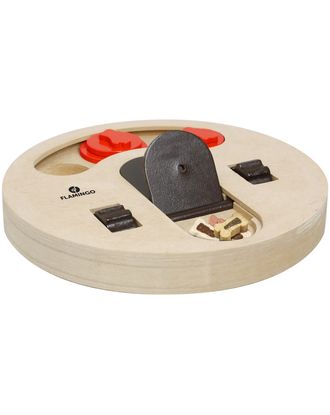
The Flamingo Braintrain Helios interactive toy helps support your pet's proper development while stimulating creativity and encouraging mental activity.
-
 €14.40In stock
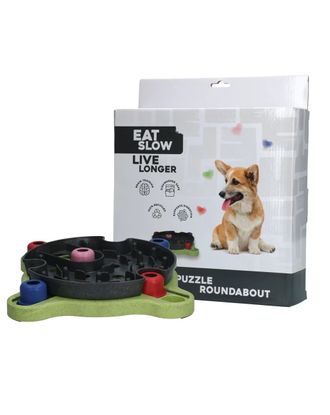
A logic toy for dogs in which the animal exercises its mind, develops intelligence, and improves movement precision while figuring out how to reach its favorite treat. The game helps the dog focus and eliminates boredom. Prolonged sniffing releases excess energy and emotions, calming and relaxing the pet.
-
 €10.32In stock
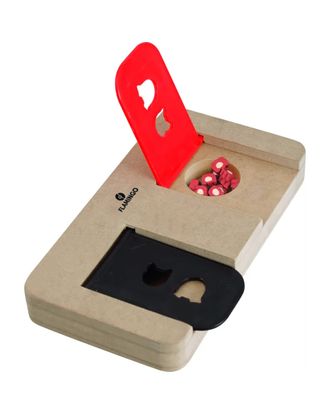
Mini zabawka na inteligencję dla psa. Psy uwielbiają wyzwania. Ogromną satysfakcję sprawia im wypełnianie poleceń właścicieli, zarówno podczas tresury, jak i zabawy. Jednak wielu psom brakuje stymulacji psychicznej i fizycznej.
-
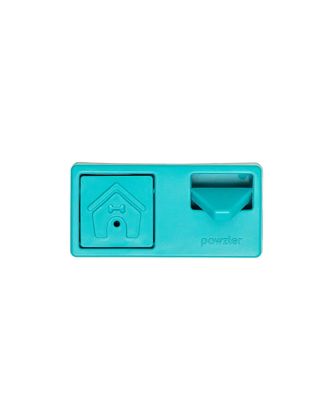 €4.80In stock
A single Pawzler puzzle module for dogs. This level 2 block contains 1 compartment for dog treats. It is an additional element that can be swapped interchangeably with other modules in Pawzler sets, or used to create your own custom combination.
-
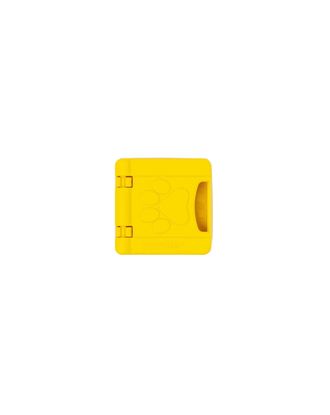 €3.60In stock
A single Pawzler puzzle module for dogs. This level 2 block contains 1 compartment for dog treats. It is an additional element that can be swapped interchangeably with other modules in Pawzler sets, or used to create your own custom combination.
-
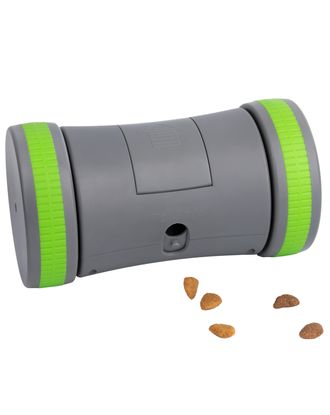 €48.00In stock
A dog toy that provides excellent entertainment, even when you're busy with other tasks. The interactive roller moves around the room, gradually releasing tasty treats. It encourages movement, exercises reflexes, and improves agility. It eliminates boredom, relieves stress, and helps prevent destructive behavior in dogs.
-
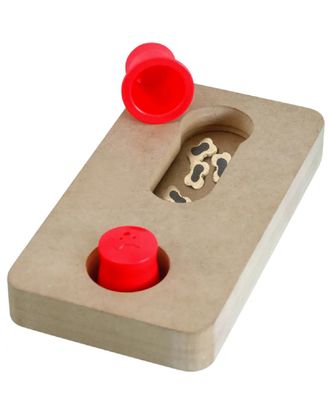 €12.00In stock
This toy supports your pet's development and encourages mental activity. The game involves searching for treats hidden under caps (which can be slid and pulled out). To get the treat, the dog must figure out how to access the hiding spots.


Interactive dog toys include various games, puzzles, activity boards, and sniffing mats that require the dog to actively participate and solve simple or more complex tasks. Interactive toys help stimulate a dog’s mind, improve intelligence, and enhance problem-solving skills. They are also an excellent way to keep your dog occupied and entertained.
-
Interactive dog toys can be divided into three main categories:
- Treat-dispensing toys - these toys contain hidden treats inside or outside, which the dog must uncover, release, or extract. They come in many shapes, such as cubes, balls, bones, or labyrinths. They stimulate a dog’s sense of smell and taste, and teach patience, focus, and logical thinking.
- Toys with sound or light - these toys activate when the dog interacts with them. They may record the owner’s voice, play sounds or music, or emit moving lights such as laser effects. They stimulate hearing and vision, helping dogs learn to associate and respond to different stimuli.
- Moving toys - toys that move when the dog engages with them, such as plush toys, robots, or small rolling devices. They stimulate sight and touch, improve motor coordination, and satisfy natural hunting instincts.
Interactive dog toys stimulate a dog’s mind, improve cognitive abilities, and enhance adaptability. Some of the key benefits include:
- Mental stimulation - puzzle toys provide essential sensory and cognitive engagement, preventing boredom and frustration, which can lead to destructive or anxious behaviours.
- Learning - engaging with educational toys teaches new skills, improves memory, concentration, and logical thinking, while building confidence and independence.
- Entertainment - puzzle games, activity boards, and sniffing mats provide satisfaction and enjoyment. They encourage exploration, curiosity, and a sense of accomplishment.
When selecting an interactive toy for your dog, consider the following factors:
- Function - choose a toy with features that match your dog's preferences: hidden treats, sound, lights, movement, or sniffing challenges. The toy should be engaging and stimulating.
- Difficulty level - for puppies and beginners, start with simple puzzles and gradually introduce more advanced levels as the dog becomes more skilled.
- Size - the toy should be appropriately sized for your dog. A toy that is too large may be hard to manipulate, while one that is too small may pose a choking risk.
- Material - choose a toy made of safe, durable, easy-to-clean materials. It should withstand chewing and repeated use. When your dog interacts with a puzzle toy, supervise the play session to prevent accidental damage or ingestion of small parts.

