 EU
EU  PL
PL 
Ball for Dogs
(50)-
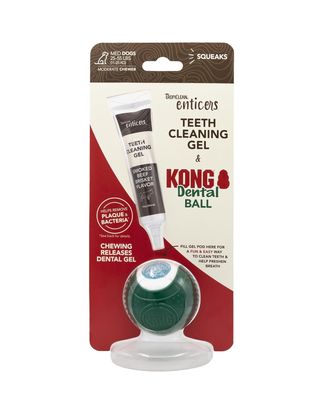 SizeAs low as €19.20In stock
Cleaning your dog's teeth has never been so easy! With the KONG dental ball and a delicious smoked beef brisket-flavored tooth cleaning gel, your pet's oral care becomes a fun experience.
-
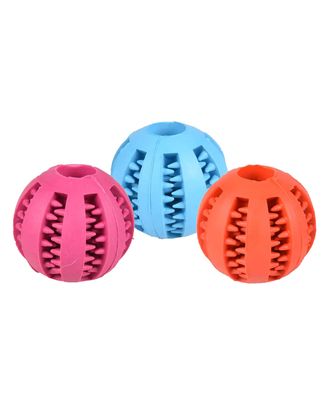 KolorAs low as €6.00In stock
Flamingo Rubber Dental Ball is a dog ball made from durable and flexible natural rubber. Its unique shape helps care for your dog's teeth and gums during play.
-
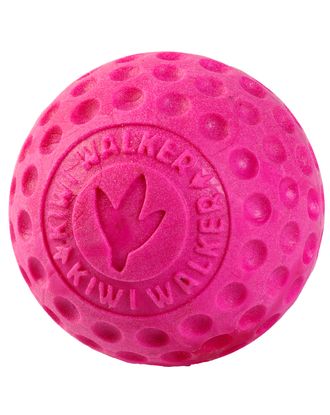 SizeAs low as €7.92In stock
The Kiwi Walker Let's Play Ball will delight every dog who loves wild play. The ball is made from dense TPR foam. It bounces nicely and floats on water.
-
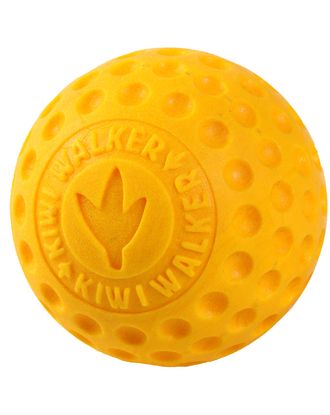 SizeAs low as €7.92In stock
Kiwi Walker Let's Play Ball will delight every dog who loves wild play. The ball is made of dense TPR foam. It bounces nicely and floats on water.
-
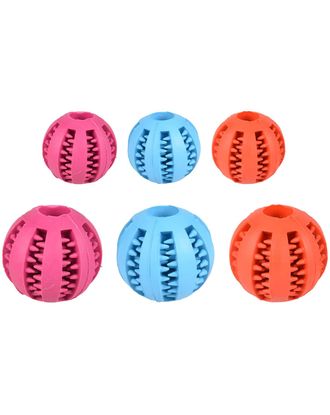 KolorAs low as €3.60In stock
Flamingo Rubber Dental Ball is a dog ball made from durable and flexible natural rubber. Its unique shape helps care for your dog's teeth and gums during play.
-
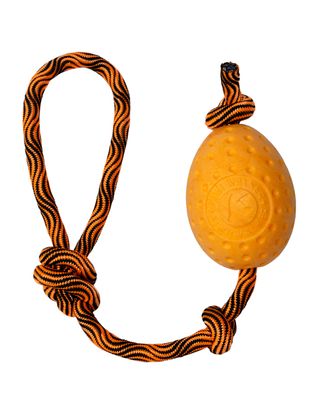 €11.76In stock
Kiwi Walker Let's Play Egg will delight every dog who loves wild playtime. A fetch toy for dogs, made from dense thermoplastic foam and a colorful rope.
-
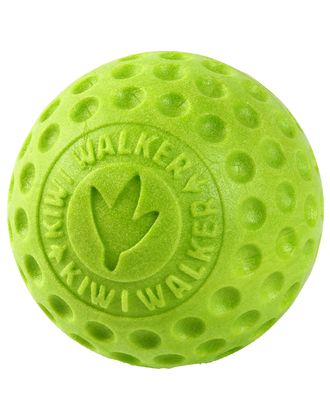 SizeAs low as €7.92In stock
Kiwi Walker Let's Play Ball will satisfy every dog who loves wild play. The ball is made of dense TPR foam. It bounces nicely and floats on water.
-
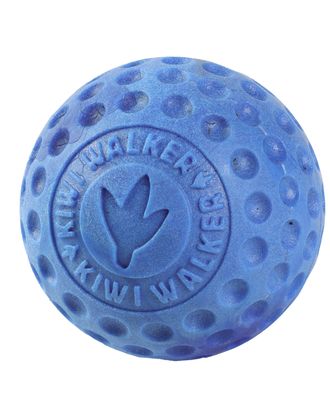 SizeAs low as €7.92In stock
Kiwi Walker Let's Play Ball will satisfy every dog who loves wild play. The ball is made of dense TPR foam. It bounces nicely and floats on water.
-
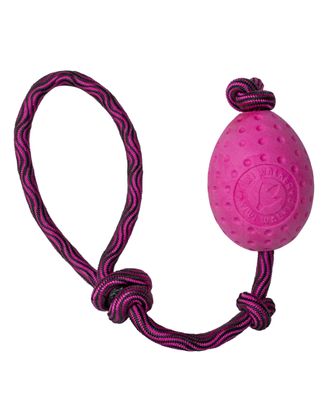 €11.76In stock
Kiwi Walker Let's Play Egg will delight every dog who loves wild play. A fetch toy for dogs, made from dense thermoplastic foam and a colorful rope.
-
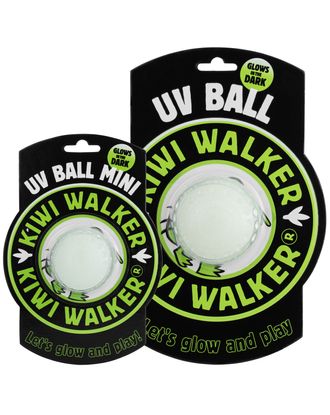 SizeAs low as €9.12In stock
Kiwi Walker Let's Play and Glow UV Ball will delight every dog who loves wild playtime. The ball glows in the dark. Take it along on an evening walk, and you'll see just how useful this little
-
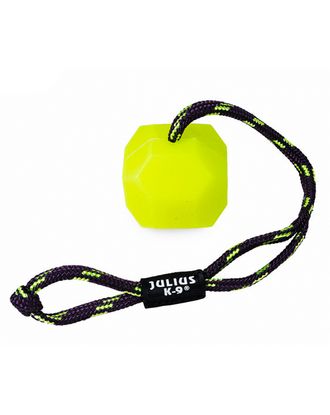 KolorAs low as €19.20In stock
A fluorescent ball made of silicone. Its color is highly visible to dogs and allows for use even after dark. Ideal for both everyday play and training sessions.
-
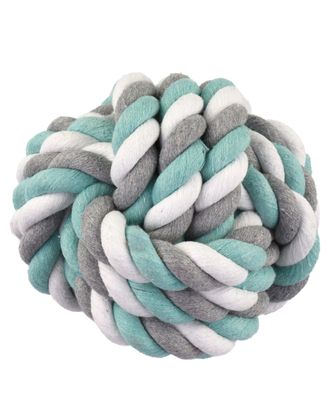 SizeAs low as €1.92In stock
Flamingo Jim Ball Mint - rope ball for dogs. Ideal for playing together and fetching.
-
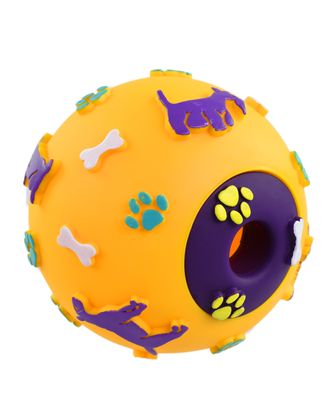 KolorAs low as €0.00Out of stock
Dog ball with an opening for tasty treats. Keeps your four-legged friend entertained for a long time. Available in three colors to choose from.
-
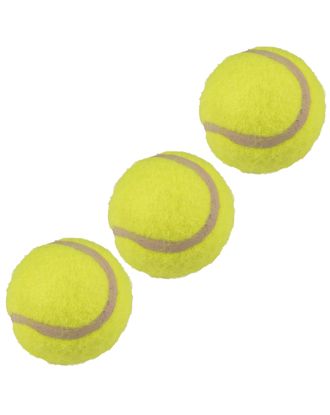 SizeAs low as €3.84In stock
A set of three tennis balls for dogs. Their vivid color makes them visible even from a great distance. Available in two sizes: 4 and 5 cm.
-
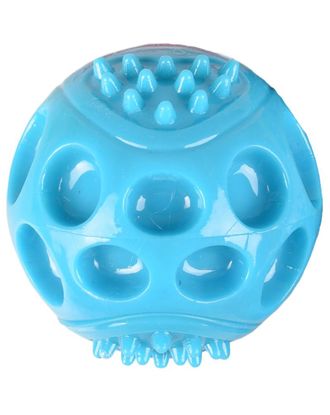 €4.80In stock
Dog ball made from durable, non-toxic thermoplastic rubber. The textured surface of the toy prevents the ball from slipping during play and gently massages the dog's gums and teeth.
-
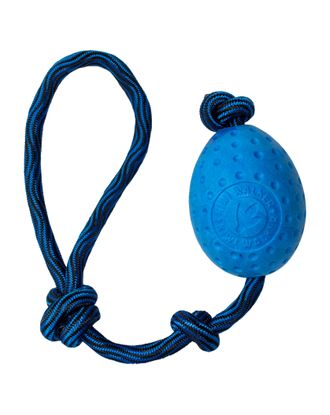 €11.76In stock
Kiwi Walker Let's Play Egg will delight every dog who loves wild play. A fetch toy for dogs, made from dense thermoplastic foam and a colorful rope.
-
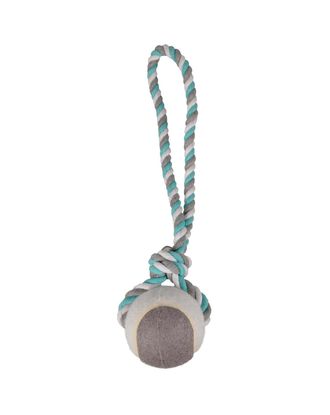 SizeAs low as €4.80In stock
Tennis ball on a cotton rope. Ideal for tug-of-war games and fetching. Available in two sizes to choose from.
-
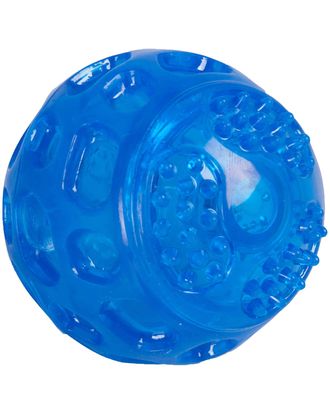 €7.20In stock
Flamingo Led Ball is a light-up ball for dogs. This flashing dog toy is sure to delight your pet.
The ball is made from transparent thermoplastic rubber. Inside, there is an LED light that activates and flashes upon impact with the ground or another object. The textured surface and raised bumps on the ball provide a secure grip, preventing it from slipping out of the dog's mouth, even when caught mid-air. Additionally, they massage your dog's gums during play, helping to keep them in good condition. The ball is perfect for interactive play and fetching - thanks to the light, it is visible from a great distance and in the dark. -
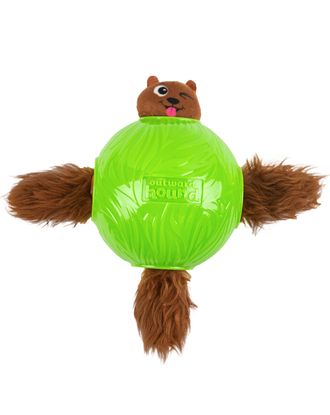 €14.40In stock
A small ball with four openings, each hiding a plush squirrel, is designed for treat-finding fun. The dog's task is to pull out the plush toys to reach the treats hidden underneath them. The second difficulty level indicates an intermediate puzzle toy for dogs.
-
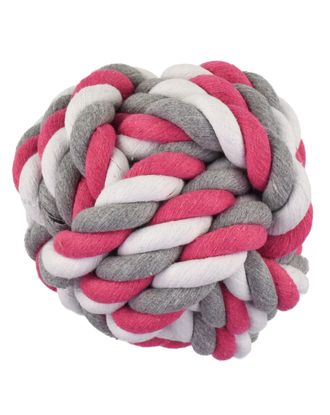 SizeAs low as €3.60In stock
Flamingo Jim Ball Fuschia - rope ball for dogs. Ideal for interactive play and fetching.
-
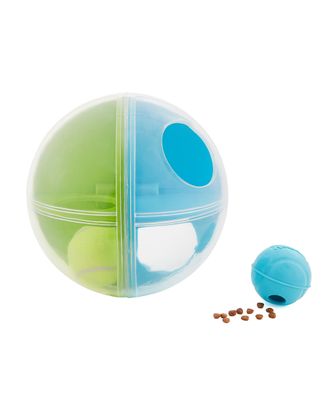 €24.00In stock
Discover the 3-in-1 toy: A-Maze Ball - a maze ball, a treat ball, and a tennis ball. The large maze sphere features 8 chambers inside, through which both balls roll. Your dog will be rewarded with treats or food, as well as the balls themselves.
-
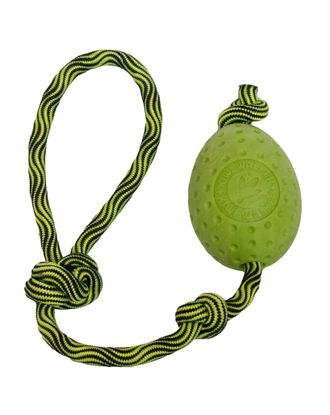 €11.76In stock
Kiwi Walker Let's Play Egg will delight every dog who loves wild play. A fetch toy for dogs, made from dense thermoplastic foam and colorful rope.
-
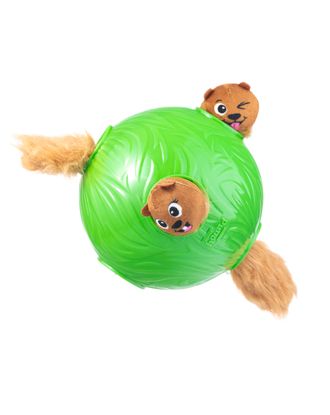 €22.32In stock
A large ball with six holes, each hiding a plush squirrel, is designed for earning treats. The dog's task is to pull out the plush toys to reach the treats hidden underneath them. The second difficulty level indicates an intermediate puzzle toy for dogs.
-
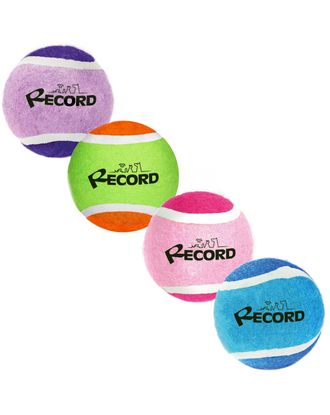 KolorAs low as €1.92In stock
Piłka tenisowa, o jaskrawej barwie, zaprojektowana specjalnie z myślą o czworonogach, wykonana z dobrej jakości gumy. Zabawka dostępna w 4 kolorach: niebieska, różowa, zielona i fioletowa.
-
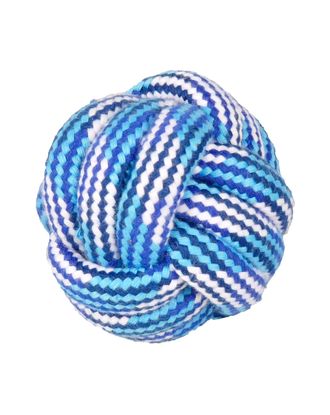 SizeAs low as €12.00 Regular Price €16.80In stock
A classic and durable dog toy in the shape of a braided rope ball. Made from safe, non-toxic materials. Its irregular shape makes it easy to grip and prevents the toy from slipping out of the dog's mouth.
-
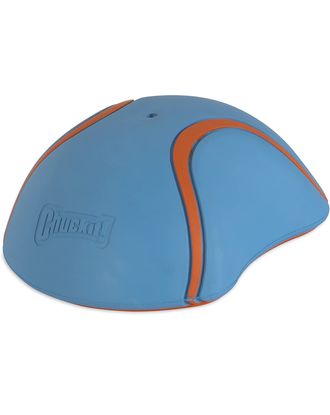 €19.20In stock
Rubber pusher, a dog toy that slides across the floor. Features a squeaker. It triggers your dog's instinct to chase a fleeing object. It provides a challenge for your four-legged friend to catch.
-
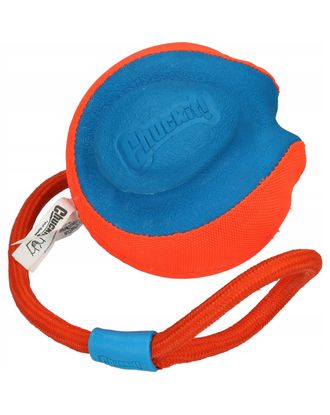 €24.00Out of stock
An indestructible dog ball with a retractable rope handle. Perfect for throwing, kicking, and tug-of-war, because three toys in one is a faster way to burn off energy, beat boredom, and have a great time than just one!
-
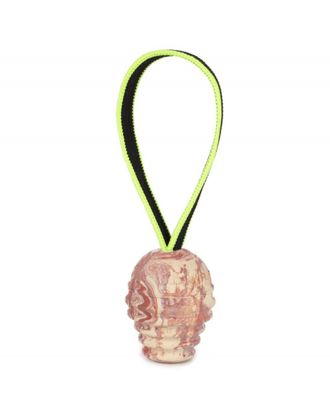 €13.20In stock
Ball on a rope for dogs. Made from natural rubber that is gentle on your pet's gums and teeth. Perfect for both everyday play and training sessions. Ideal for medium-sized dogs.


A ball for a dog is an essential item for every dog owner. These pet toys provide dogs with plenty of joy as well as physical and mental benefits.
-
Dog balls can be made from various materials such as rubber, plastic, leather or foam, and come in many different sizes, colours and shapes. Some dog balls have special features like squeakers, lights or treat-dispensing mechanisms, which make them even more stimulating and attractive. Below are some of the most popular types:
- Rubber balls - are durable, elastic and easy to clean, and usually bounce well on hard surfaces. They may be smooth or textured with bumps or grooves that massage the dog’s gums and teeth. Rubber balls are ideal for dogs that love to chew.
- Plastic Balls - lightweight, inexpensive and widely available. They may be transparent or coloured, and some contain bells or sound-making elements. Certain models can be filled with treats. These toys are great for dogs that respond to movement and sound.
- Fabric Balls - soft, natural and pleasant to touch. Often filled with padding to make them springy. Leather or textile balls are good for gentle dogs that like to carry toys in their mouths. They are also quiet, making them perfect for indoor play.
- Tennis Balls - classic dog balls with a felt surface and rubber core. Suitable for throwing and fetching. Great for active, dynamic dogs, but note: standard tennis ball felt, combined with sand or dirt, may wear down tooth enamel over time. Our selection includes dog-safe tennis balls made from soft, non-abrasive felt.
A ball is, of course, an excellent fetch toy, but it can also be used for exercise, play and training. You can throw it, roll it, bounce it, fill it with treats or hide it. Dog balls help improve physical fitness, motor coordination, intelligence and the bond between dog and owner. Some of the key benefits include:
- Exercise. Helps burn excess calories and release energy, preventing obesity and related diseases. It also strengthens muscles, joints and bones.
- Play. Provides joy and satisfaction. It stimulates the dog’s senses such as sight, hearing and touch.
- Training. A ball can be used to teach various commands and tricks (sit, down, fetch, search, leave it) and supports obedience, patience and focus. Playing with a ball becomes a reward for good behaviour.
- Bonding. Strengthens the relationship between dog and owner, showing the dog that the owner is engaged, caring and willing to play. It builds trust and respect.
When selecting a ball for your dog, consider the following factors:
- Size. The ball must fit the dog’s jaw size and bite strength. A ball that is too large will be difficult to hold; one that is too small may pose a choking hazard.
- Material. It should be safe, durable and easy to clean. Avoid materials that are toxic, brittle or splinter easily. The ball must withstand chewing.
- Function. Choose features that match your dog’s needs and preferences. Apart from classic fetch, a ball may:
- squeak,
- light up,
- dispense treats,
- serve as a dental chew,
- be attached to a rope for long-distance throws and tug-of-war play. A ball with a rope is also an excellent tug toy and encourages interactive play.

